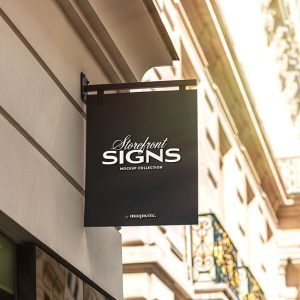
Business signage plays a crucial role in shaping how customers perceive a brand from the very first glance. In a growing commercial environment like St. John’s, signage is more than a label—it is a visual handshake between a business and its audience. From storefront signs to interior displays, well-designed signage helps businesses establish credibility, attract foot traffic, and create a strong local identity.
First impressions matter greatly in business. When customers walk or drive past a storefront, signage is often the first thing they notice. Clean typography, balanced colors, and high-quality materials instantly communicate professionalism. Many local businesses rely on custom storefront signage solutions to ensure their brand stands out while still fitting into the character of the surrounding area. This balance between uniqueness and community alignment is key to long-term success.
Consistency is another essential aspect of effective signage. Businesses that use the same colors, logos, and messaging across all their signs reinforce brand recognition. Whether it’s an exterior sign, window graphic, or directional signage inside the building, consistency makes a business easier to remember. In competitive commercial districts, this visual repetition helps customers recognize a brand even before reading the sign.
Local conditions also influence signage design. Weather, lighting, and viewing distance all affect how a sign performs over time. Durable materials and proper installation ensure signage remains visible and appealing year-round. Many companies invest in durable outdoor business signs to withstand environmental factors while maintaining their visual impact. This practical approach saves money in the long run and preserves brand image.
Signage also plays a psychological role in customer behavior. Colors can evoke emotions, fonts can suggest personality, and layout can guide attention. For example, bold lettering and high-contrast colors work well for businesses that want to appear energetic and modern, while softer tones and classic fonts suit more traditional brands. Effective signage design takes these subtle cues into account to connect with the target audience.
Wayfinding signage is another important but often overlooked element. Clear directional signs help customers navigate parking areas, entrances, and interior spaces with ease. This improves the overall customer experience and reduces frustration. Businesses that prioritize clarity and readability show that they value their customers’ time and comfort.
Beyond aesthetics, signage serves as a silent salesperson. It communicates what a business offers, who it serves, and why it matters—all without direct interaction. Informative signs, such as service listings or operating hours, answer common questions instantly. Many businesses enhance this function through professional commercial sign design, ensuring their messaging is clear and visually appealing.
In St. John’s, where local businesses often compete with larger brands, signage becomes an equalizer. A thoughtfully designed sign allows a small business to appear just as credible and inviting as a national chain. This levels the playing field and encourages customers to support local enterprises.
Ultimately, business signage is an investment in visibility, trust, and growth. When designed and installed correctly, it works continuously to promote a brand, attract customers, and reinforce identity. For businesses looking to strengthen their presence, high-quality signage remains one of the most effective and lasting marketing tools available.
In today’s highly competitive commercial landscape, the ability of a business to distinguish itself from others can directly influence its success. One of the most effective yet often underestimated methods
The success of your business relies on attracting a steady flow of customers. But, achieving that goal can be difficult in an overcrowded marketplace. Eye-catching signage is an essential tool
Indoor signage plays a crucial role in shaping customer experience, reinforcing brand identity, and influencing purchasing behavior within commercial environments. In the Dallas-Fort Worth (DFW) metropolitan area, the demand for